
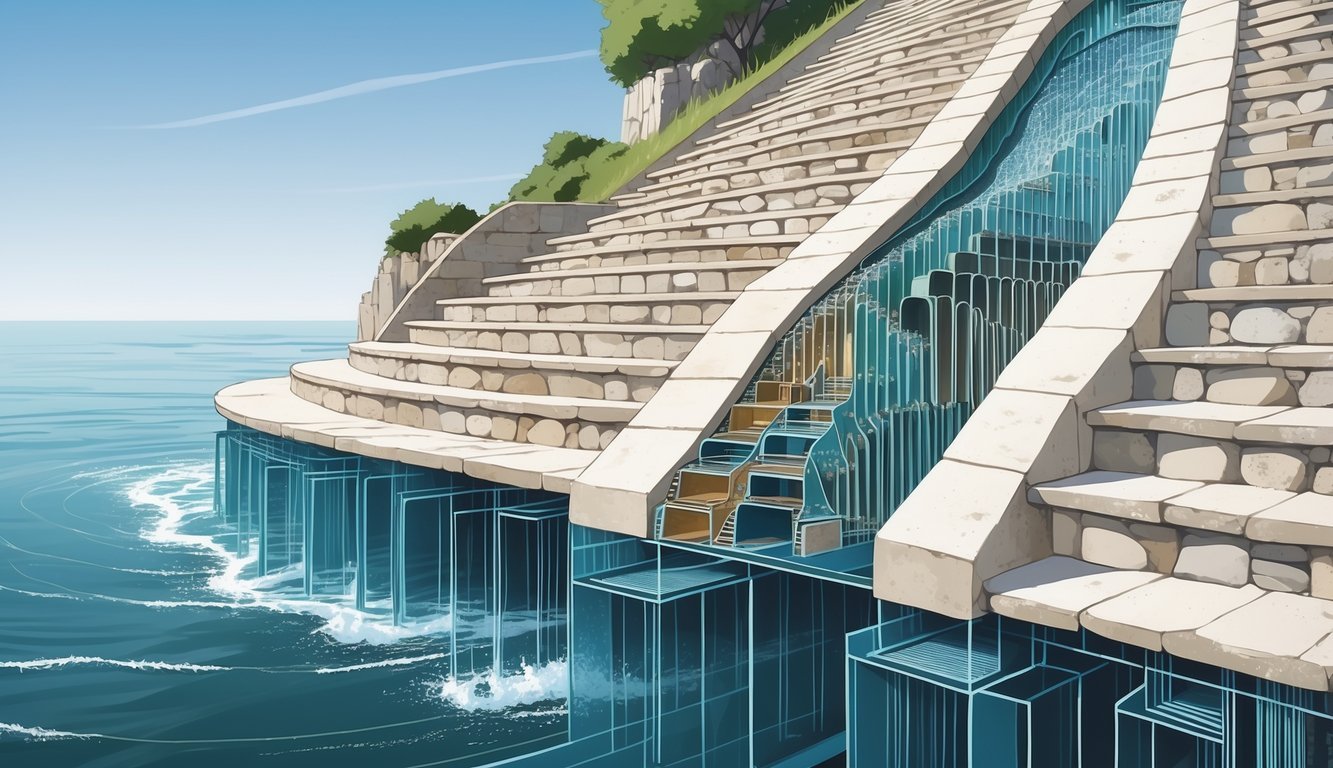
At the edge of Zadar’s waterfront, the sea creates music without a single musician in sight. The sound rises through marble steps, shaped not by instruments, but by waves and air. Each note is a direct result of nature meeting human design.
The Zadar Sea Organ works by channeling seawater and air through a series of pipes built beneath marble steps, where the pressure and flow of the waves create harmonic tones that form an ever-changing natural melody.
Installed in 2005 by architect Nikola Bašić, this coastal installation blends engineering, acoustics, and art in one quiet masterpiece. It’s not only a tourist attraction but a reminder of how design can transform ordinary space into sound. Those curious about its mechanism—how it turns motion into music—will find that the process is as fascinating as the melody itself.
Principles Behind How the Zadar Sea Organ Works
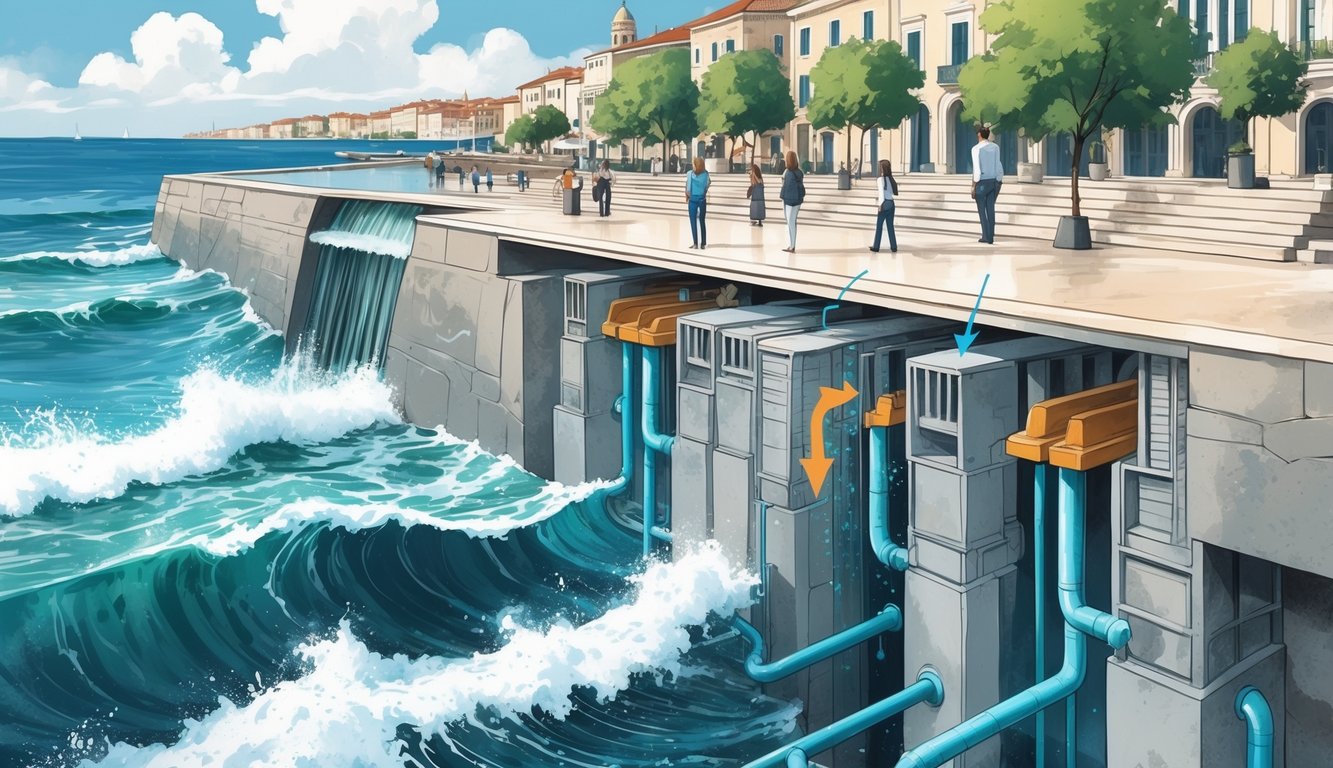
The Sea Organ in Zadar operates through a carefully balanced interaction between architecture, physics, and nature. Installed beneath a series of white marble steps, this experimental musical instrument transforms the motion of sea waves and tides into soft, harmonic sounds.
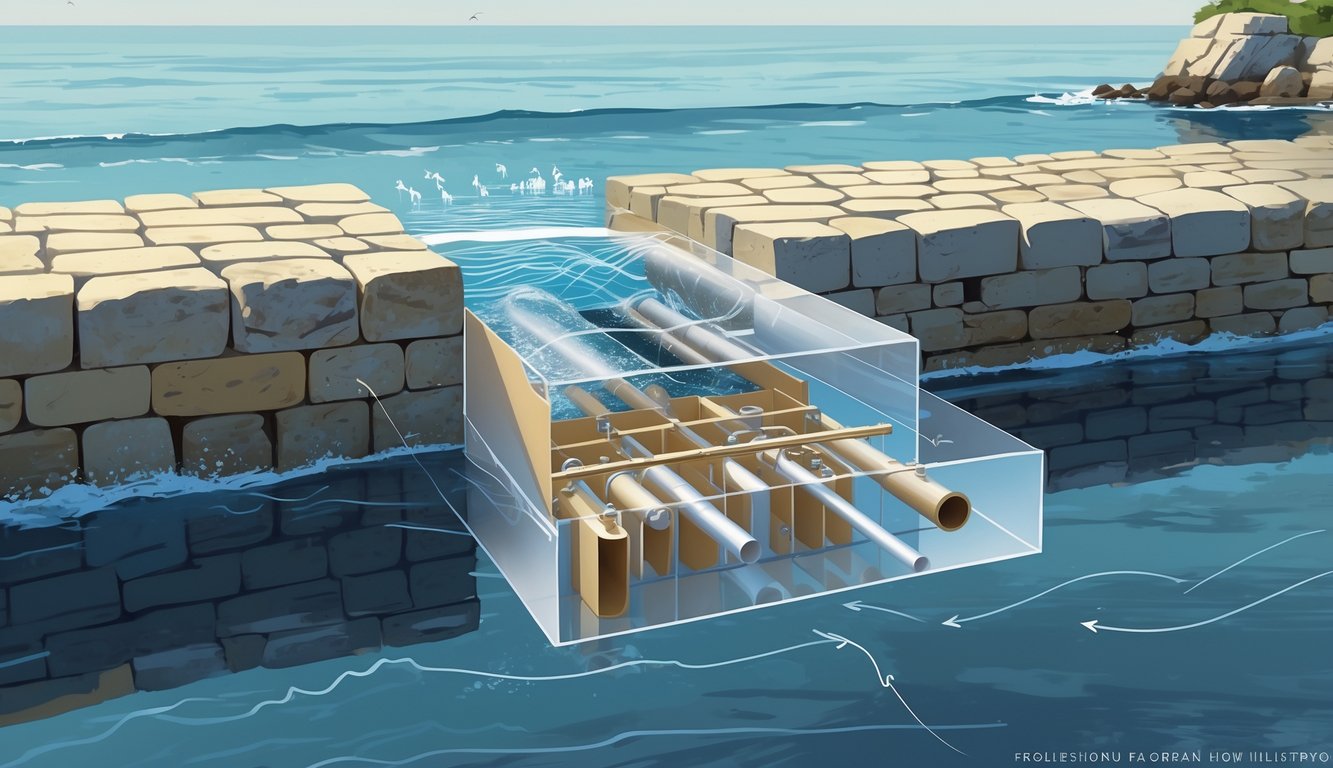
Below the steps lies a network of 35 pipes made of polyethylene tubes. Each pipe has an opening below sea level and a narrow exit toward the surface. When waves push air and water into these tubes, pressure differences form, producing vibrations that create distinct tones. The length and diameter of each pipe determine the pitch, much like a traditional organ.
At the core of the system is a resonating cavity, which acts as an acoustic chamber. This cavity amplifies the sounds produced by the pipes before releasing them through vents hidden along the staircase. The tones rise and fade as the sea shifts, resulting in random but harmonious patterns driven entirely by natural movements.
| Element | Function |
|---|---|
| Waves & Tides | Provide air and water pressure to activate sound |
| Polyethylene Tubes | Channel wave energy into pipes |
| Resonating Cavity | Amplifies and projects the tones |
| Marble Steps | Conceal the mechanism and invite public interaction |
Through this design, the Sea Organ merges art and engineering, letting nature itself perform an ever-changing composition.
Design, Structure, and Engineering
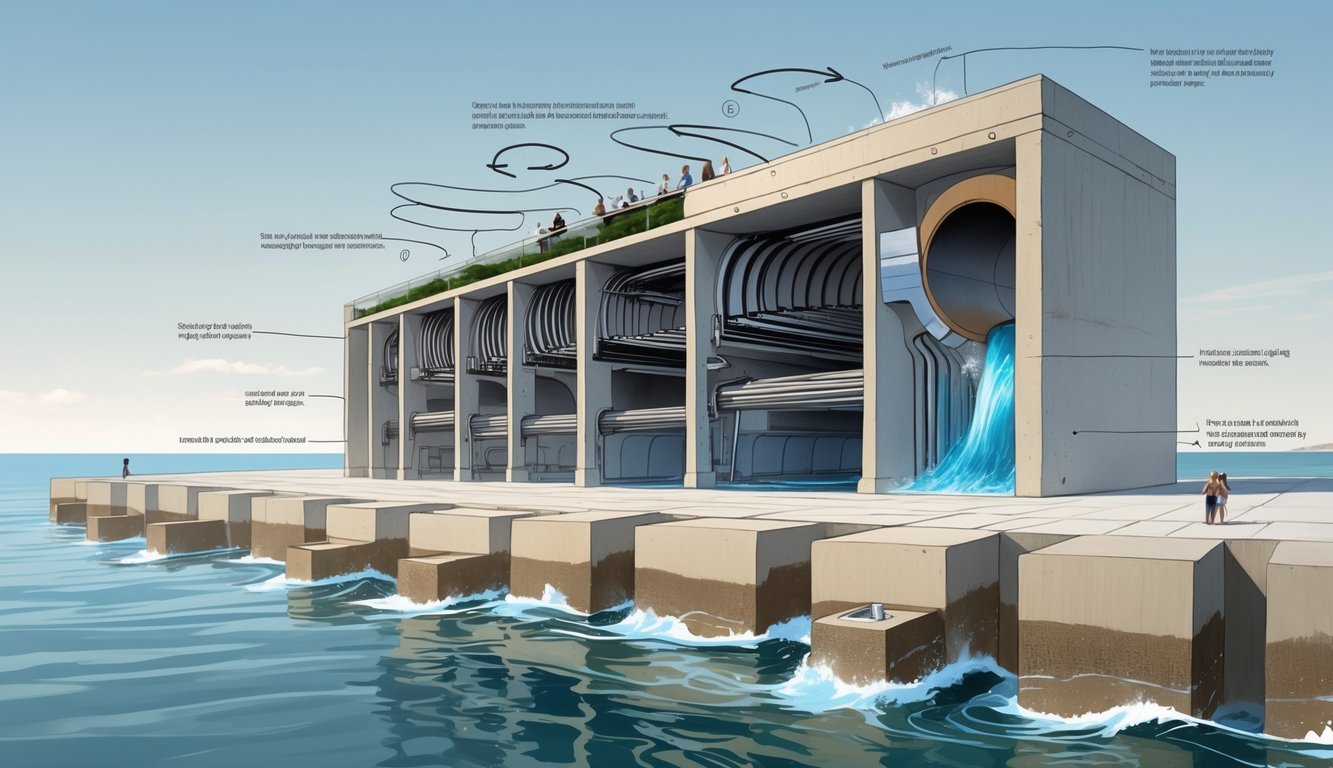
Architect Nikola Bašić designed the Zadar Sea Organ as part of the city’s post-war coastal revitalization. His goal was simple but ambitious—to connect people with the rhythm of the sea through architecture. The structure integrates art, sound, and engineering without any powered machinery.
The installation stretches along Zadar’s Riva promenade and appears, at first glance, as a set of broad marble stepsdescending into the Adriatic. Beneath those steps lies the actual instrument: a network of 35 polyethylene pipes of varied lengths and diameters. Each pipe is precisely angled to capture the sea’s movement and compress air through internal chambers.
| Component | Material | Function |
|---|---|---|
| Steps | Marble | Provides seating and hides the sound system below |
| Pipes | Polyethylene | Channels air pushed by waves |
| Apertures | Small openings on the promenade | Releases sound produced inside the pipes |
| Glass panels (some areas) | Glass | Protects inner components and allows light through |
When waves strike the lower openings, air pressure travels through the pipes and exits at the top vents as tones. The sound depends on pipe size, wave energy, and air flow speed, giving each note a natural variation.
Engineers designed the layout in seven segments, each tuned differently to create a range of harmonic tones. The glass plates and marble construction help prevent corrosion from seawater exposure, reinforcing durability. Together, they form a self-sustaining acoustic structure powered entirely by the sea’s motion.
Acoustic Characteristics and Musical Qualities
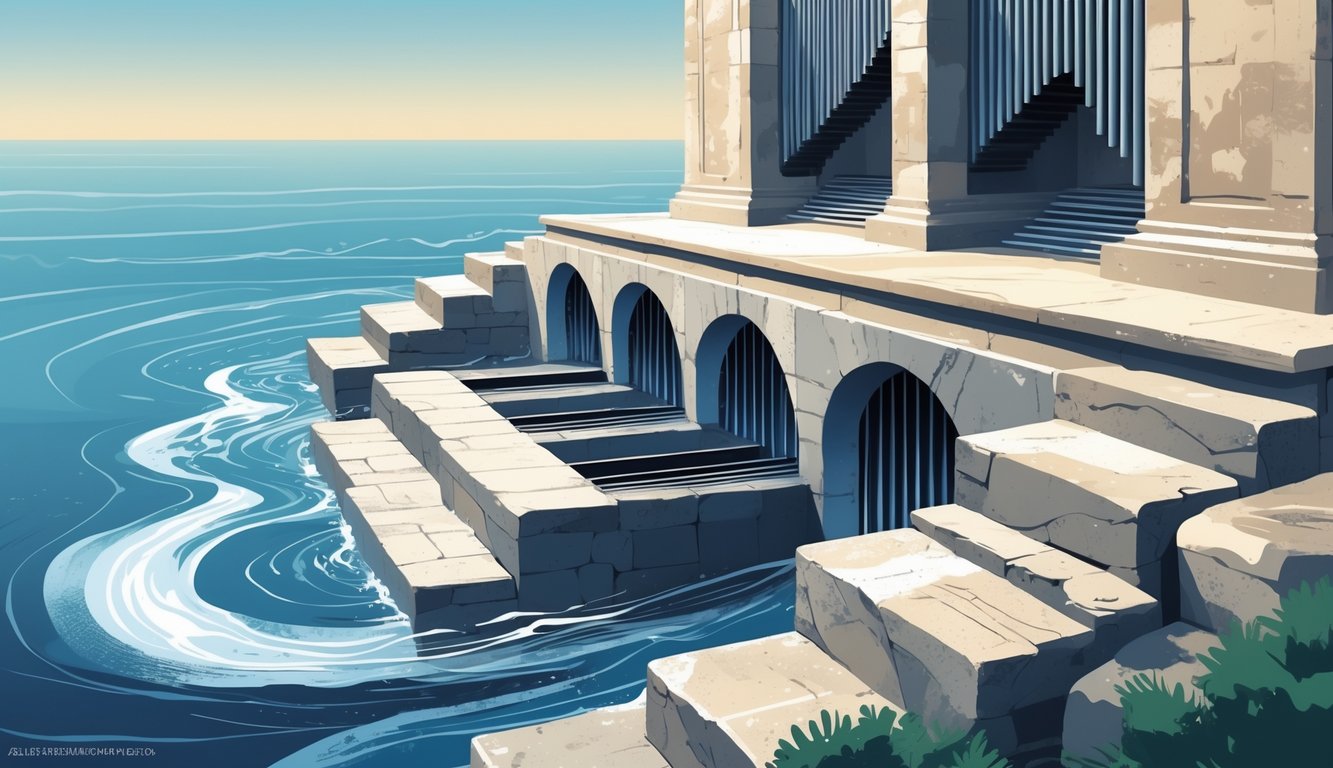
The Morske orgulje relies entirely on the motion of the Adriatic Sea to generate sound. As waves push air through a series of polyethylene tubes beneath the marble steps along the promenade, the flow of air produces tones similar to an organ’s pipes. The system responds to changes in wave height and rhythm, so no melody repeats in the same way twice.
Each pipe is tuned to a specific pitch. Together, they form a harmonic range that blends low, resonant notes with brighter overtones. The result is a shifting and layered composition shaped by the tide’s strength. When the sea is calm, the tones are subtle and meditative. During rougher seas, the sounds become stronger and more frequent.
The musical structure can be understood through its basic elements:
| Element | Function | Effect |
|---|---|---|
| Air pressure | Created by incoming waves | Determines loudness |
| Pipe length | Varies between tubes | Affects pitch level |
| Resonating cavities | Beneath the steps | Amplify sound naturally |
Visitors along the promenade often notice how the sound art interacts with its surroundings. The open air, stone surfaces, and sea breeze all influence the acoustic projection. The tones seem to emerge directly from the water, yet remain distinctly human in design.
Unlike traditional instruments, the Sea Organ does not rely on a performer. Nature performs instead, creating continuous variations in texture and rhythm. This connection between architecture, environment, and acoustics illustrates a rare balance between built form and the natural energy of the coast.
Similar Installations Worldwide and Legacy
Other cities have explored the union of sound, nature, and architecture in ways similar to Zadar’s Sea Organ. Each project adapts to its local environment, yet all share the idea of creating sound from natural motion.
One early example is the Wave Organ in San Francisco, completed in 1986 by artist Peter Richards. Built from reclaimed materials, it uses the movement of tides to channel air through pipes, producing gentle musical tones. In Blackpool, England, the High Tide Organ stands directly on the seawall. When the tide rises, it pushes air through its pipes and brings forth deep, resonant notes that echo along the promenade.
| Installation | Location | Year Built | Main Sound Source |
|---|---|---|---|
| Wave Organ | San Francisco, USA | 1986 | Ocean tides |
| High Tide Organ | Blackpool, UK | 2002 | Rising seawater |
| Sea Organ | Zadar, Croatia | 2005 | Wave pressure and air movement |
Zadar’s organ has inspired not only similar sound-based experiments but also light installations, such as Nikola Bašić’s nearby Monument to the Sun. This solar-powered artwork captures daylight to power vibrant evening displays, complementing the sounds of the sea organ only meters away.
Together, these works demonstrate how cities can transform natural forces—wind, water, and light—into art. They show how design can invite people to listen, pause, and appreciate the quiet collaboration between engineering and environment.