
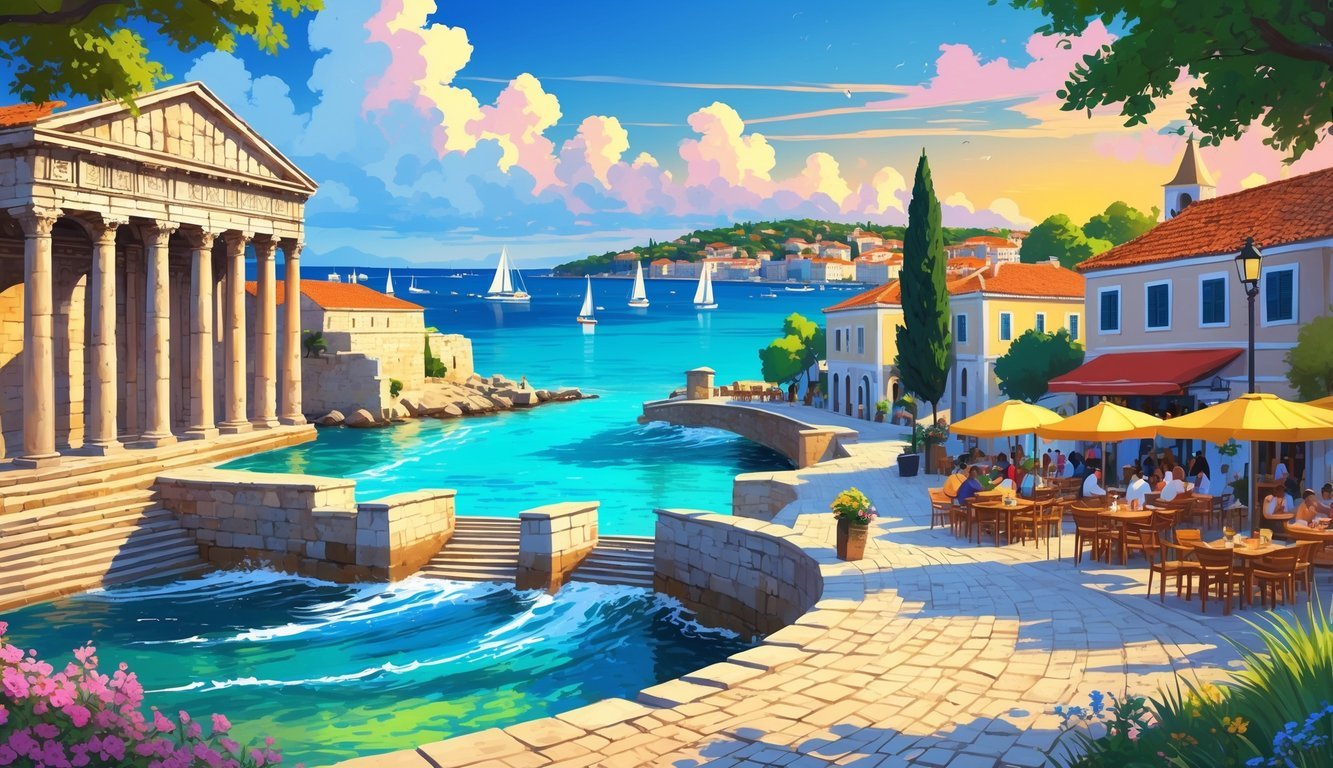
Tucked along Croatia’s Dalmatian coast, Zadar stands at the crossroads of old and new. Its historic streets, framed by Roman ruins and medieval churches, open up to the calm blue of the Adriatic Sea. Every corner seems to balance tradition with a quiet modern rhythm that sets it apart from other coastal destinations.
Zadar is worth visiting because it offers the charm of a smaller, less crowded city while still providing world-class history, natural beauty, and cultural experiences that rival any major Croatian destination.
Those who wander its stone lanes quickly see why it captures travelers who crave authenticity without the heavy crowds of Dubrovnik or Split. The following insights trace what makes Zadar remarkable—from its sea-born music to its island horizons—inviting deeper appreciation with every turn.
1. Rich Roman ruins and ancient history
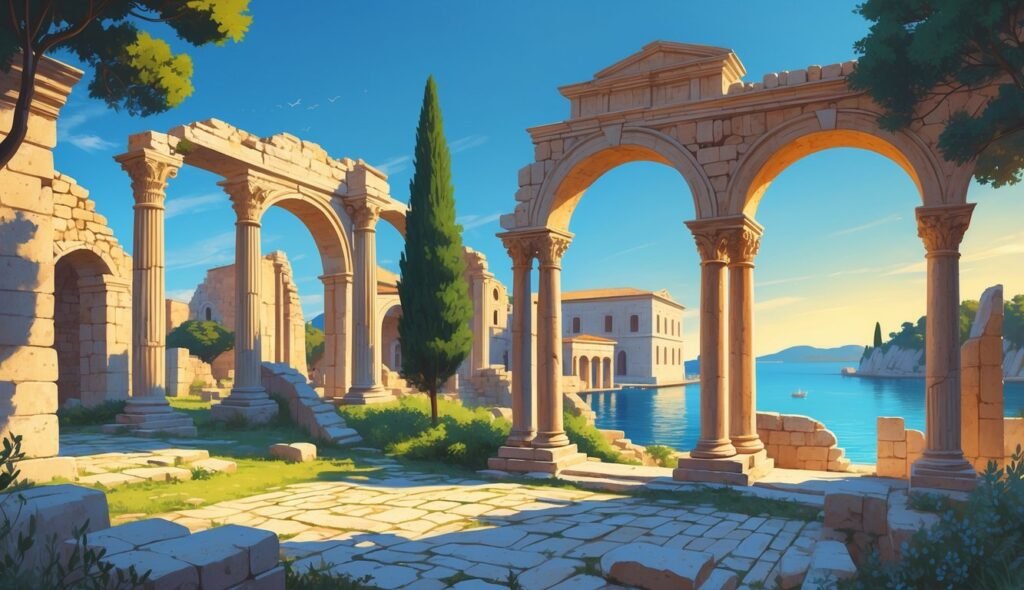
Zadar stands among the oldest continuously inhabited cities on the Adriatic, and its layers of history remain visible at almost every corner. The Roman influence is unmistakable, especially in the heart of the Old Town, where the ancient Forum still outlines the grid of a once-thriving Roman settlement.
Visitors can walk past marble columns that have stood for nearly two millennia. Some now rest beside later medieval and Venetian structures, creating an unusual but authentic mix of architectural eras. This visible overlap reflects how each generation built upon the foundations of the one before.
The Archaeological Museum offers a deeper view, displaying artifacts from Roman homes, temples, and workshops uncovered near the peninsula. Mosaics, coins, and pottery found here reveal everyday life in what was once an important provincial center of the Roman Empire.
Even small details—like fragments of inscriptions reused in later walls—remind visitors that Zadar’s story spans centuries. This enduring presence of Roman heritage gives the city an open-air museum quality that continues to shape its identity today.
2. Stunning Adriatic Sea Sunsets
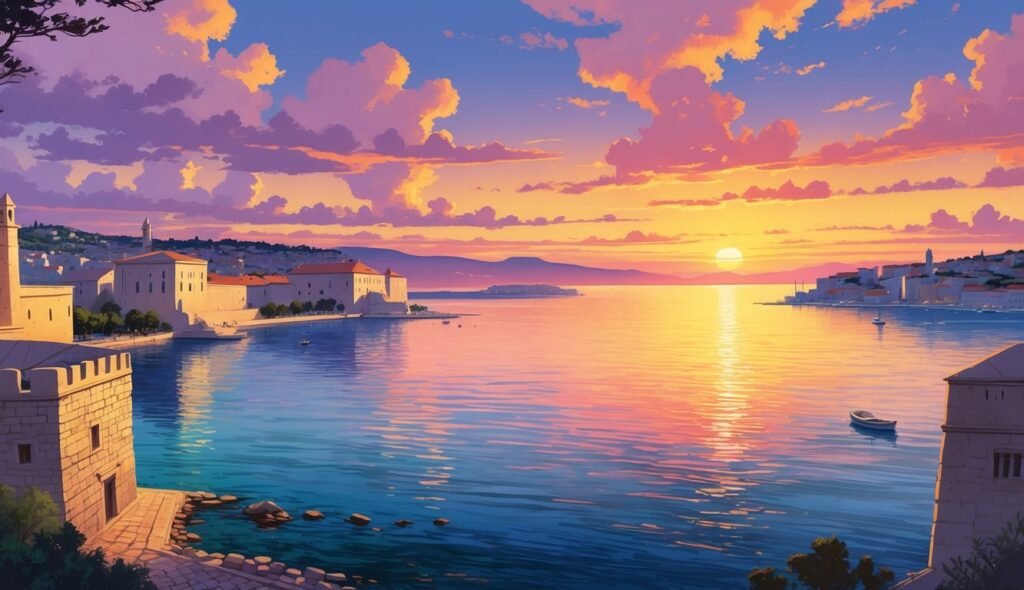
Zadar’s sunsets are often described as among the finest on the Adriatic. The city’s position on a western-facing peninsula offers an open, uninterrupted view of the horizon. Each evening, the sun sinks over the sea, creating layers of orange, pink, and violet across the sky.
The view draws both locals and visitors to the waterfront. Many gather along the promenade near the Sea Organ, where the sound of waves mixes with quiet conversation and music. The reflections on the water shift minute by minute, and the light plays softly on the stone facades of Roman and medieval buildings nearby.
Even travelers who aren’t usually drawn to scenery find these moments hard to overlook. The sunsets here are not dramatic by accident—they result from Zadar’s clear air, broad sea view, and low coastal terrain. Together, they create a calm yet striking atmosphere that feels distinct from busier Adriatic cities.
Photographers, painters, and writers often choose this spot for inspiration. It’s a rare place where natural beauty aligns with urban life, offering a simple but memorable experience at the close of each day.
3. Unique Sea Organ architectural installation
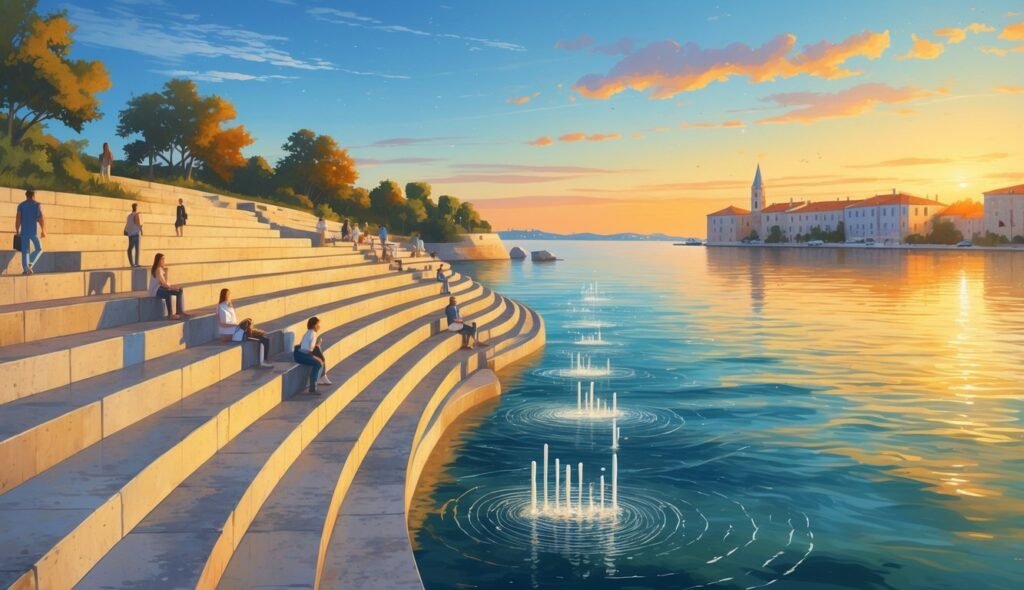
Zadar’s Sea Organ stands as an innovative blend of architecture and natural sound. Completed in 2005 by architect Nikola Bašić, it transformed a simple section of the city’s promenade into a living instrument played by the sea itself. Few urban projects merge engineering and environment in such a tangible way.
This installation consists of marble steps leading into the Adriatic Sea, underneath which lie tubes of varying lengths and diameters. As waves push air through these pipes, distinct tones emerge, creating random yet harmonious melodies. The result is an ever-changing soundscape that reflects the sea’s rhythm rather than human control.
Visitors often sit along the steps, listening to the soft, hollow tones while watching boats glide across the horizon. The sound can shift within moments—from gentle hums on calm days to deeper notes during stronger waves. It is both artwork and public space, attracting architects, tourists, and locals alike.
The Sea Organ’s appeal lies partly in its simplicity. It uses natural motion, no electronics, and no performer, yet it captures the essence of coastal life better than any man-made soundtrack could achieve. Together with the nearby “Greeting to the Sun” light installation, it symbolizes Zadar’s modern identity: a city where old stone and new ideas coexist naturally.
4. Greeting to the Sun solar artwork
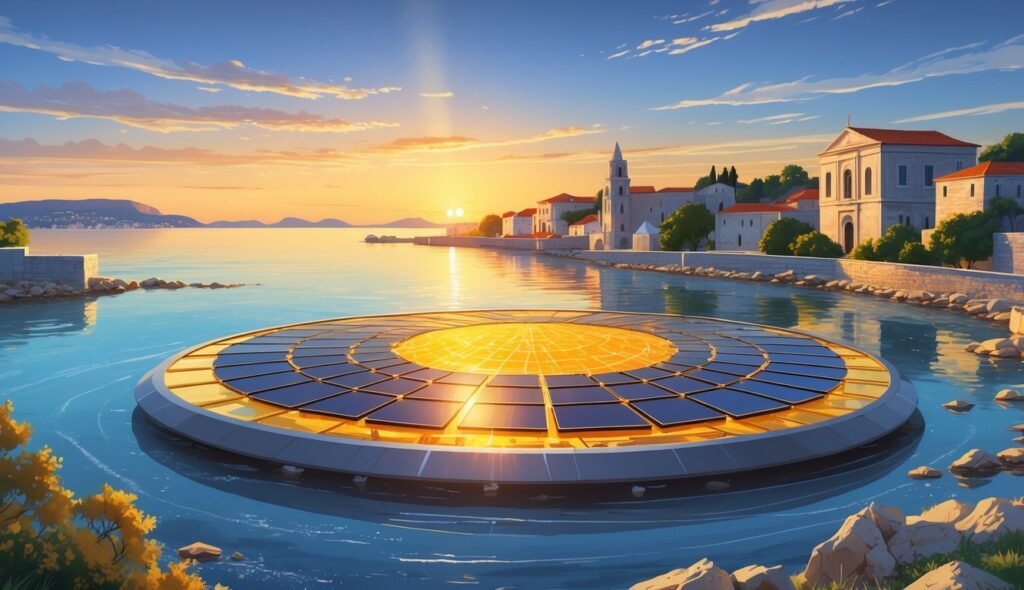
Standing at the edge of Zadar’s waterfront, the Greeting to the Sun captures attention through both its simplicity and innovation. Designed by Croatian architect Nikola Bašić in 2008, the installation forms a 22‑meter circle made of layered glass plates built directly into the promenade. Beneath the surface, solar modules absorb sunlight throughout the day.
As evening approaches, the stored energy powers a coordinated display of lights that animate the glass panels. The shifting colors reflect the rhythm of the sea beside it and the fading daylight over the Adriatic. Many visitors gather here to watch the transition from sunset to night as the ground itself seems to awaken with color.
The installation also holds practical significance. It produces renewable electricity that powers part of Zadar’s waterfront lighting. Around the circular structure, smaller glass discs represent the planets of the solar system in proportional scale, linking art and science in a single spatial experience.
Together with the nearby Sea Organ—another of Bašić’s creations—the Greeting to the Sun connects sound, light, and landscape. The combination invites reflection on natural cycles while quietly highlighting sustainable energy in a public, accessible form.
5. Charming medieval Old Town streets
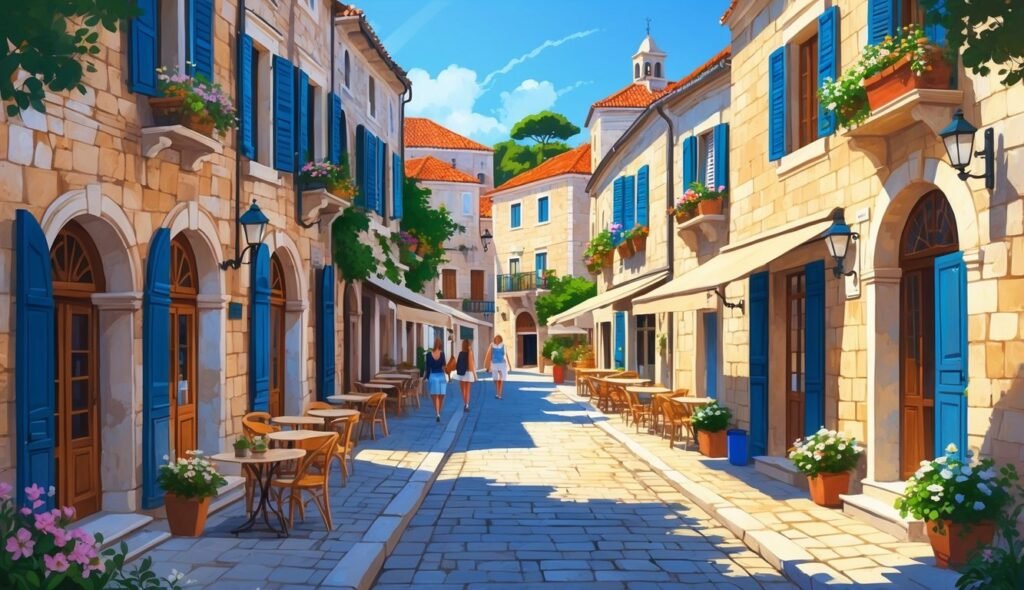
Zadar’s Old Town sits on a small peninsula, surrounded by stone walls that have watched over the city for centuries. Its narrow lanes, built on ancient Roman foundations, lead to quiet courtyards, Romanesque churches, and shaded squares. Walking these streets gives visitors a sense of steady continuity between different eras.
The layout feels intimate. Each turn reveals details—an arched doorway, a bit of worn marble, or a market stall where locals bargain for olives. The stone underfoot, polished smooth by generations, tells the story of daily life that never truly paused here.
Shops, cafés, and bakeries occupy restored buildings, blending the old with the present without erasing history. Many visitors pause at St. Donatus Church or the Forum nearby, where children play beside remains that date back over two thousand years. It’s a grounded, living history lesson.
Evenings add a different rhythm. As the sun lowers, the limestone glows, and the scent of the sea drifts through open windows. The streets quiet down but never feel empty—only calm, as if the city exhales at the end of the day.
These medieval alleys don’t just display the past; they preserve community. Locals greet each other in passing, and visitors notice how naturally daily life unfolds among landmarks. It’s that blend—ancient setting, modern rhythm—that makes Zadar’s Old Town streets so deeply memorable.
6. Less Crowded Than Dubrovnik and Split
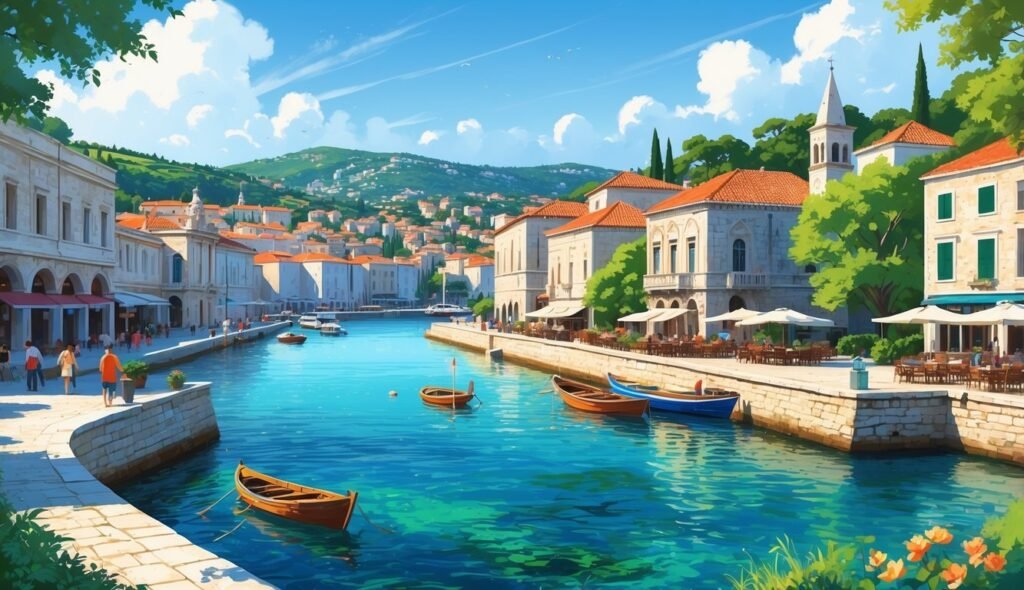
Compared with Dubrovnik and Split, Zadar offers a calmer atmosphere and fewer tourists, even in high season. The historic center stays lively but manageable, allowing visitors to enjoy its streets, markets, and waterfront without pushing through heavy crowds. This balance appeals to travelers who want both energy and breathing room.
During summer, Dubrovnik often attracts cruise ships and large tour groups, which can make the old town feel congested. Split’s harbor is also busy, with visitors moving between islands and the mainland. Zadar, on the other hand, remains more relaxed. It has enough tourism to sustain good restaurants and services yet still feels local.
Many travelers appreciate being able to walk the Riva promenade at sunset or visit Roman ruins without queues. Restaurants usually have available tables, and accommodations are more reasonably priced than those in the southern cities. This accessibility means travelers can see more and spend less time waiting.
The city’s airport, located about 10 kilometers away, connects it easily with other European destinations. Despite this convenience, Zadar hasn’t lost its laid-back pace. Visitors can enjoy both cultural landmarks and quiet seaside spots within the same afternoon.
Those seeking an authentic Croatian experience often find Zadar ideal. They can explore its heritage at a comfortable rhythm, meet locals, and still reach major attractions like the Kornati Islands or Krka National Park with ease.
7. Gateway to the Zadar Archipelago Islands
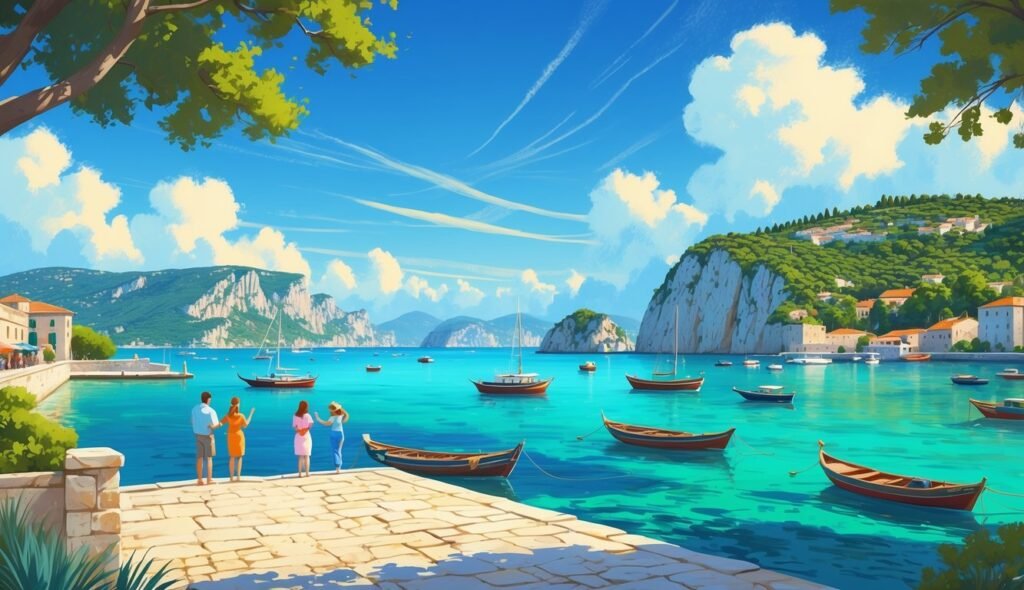
Zadar’s coastal location makes it an ideal starting point for exploring the surrounding islands. The city’s port connects travelers to dozens of islands scattered across the Adriatic, many of which remain quiet and unspoiled. Daily ferry routes and private boat services make these journeys straightforward and flexible.
The nearby Ugljan and Pašman islands are among the most accessible. Both are known for their calm beaches, olive groves, and relaxed pace of life. By contrast, Dugi Otok offers dramatic cliffs, hidden coves, and the well-known Saharun Beach, often called one of Croatia’s most beautiful stretches of sand.
For those interested in nature, the Kornati National Park is a highlight. Its maze of more than 80 islands and reefs forms one of the densest archipelagos in the Mediterranean. Visitors often explore it by chartered boat, combining swimming, hiking, and photography in a single day.
Because of its central position, Zadar allows travelers to experience island life without long detours. Many visitors stay in Zadar’s Old Town and plan day trips to the archipelago, returning in time for sunset by the Sea Organ. This accessibility makes the city not only a historical and cultural center but also a practical gateway to Croatia’s island heritage.
8. Proximity to Plitvice Lakes and Krka National Parks
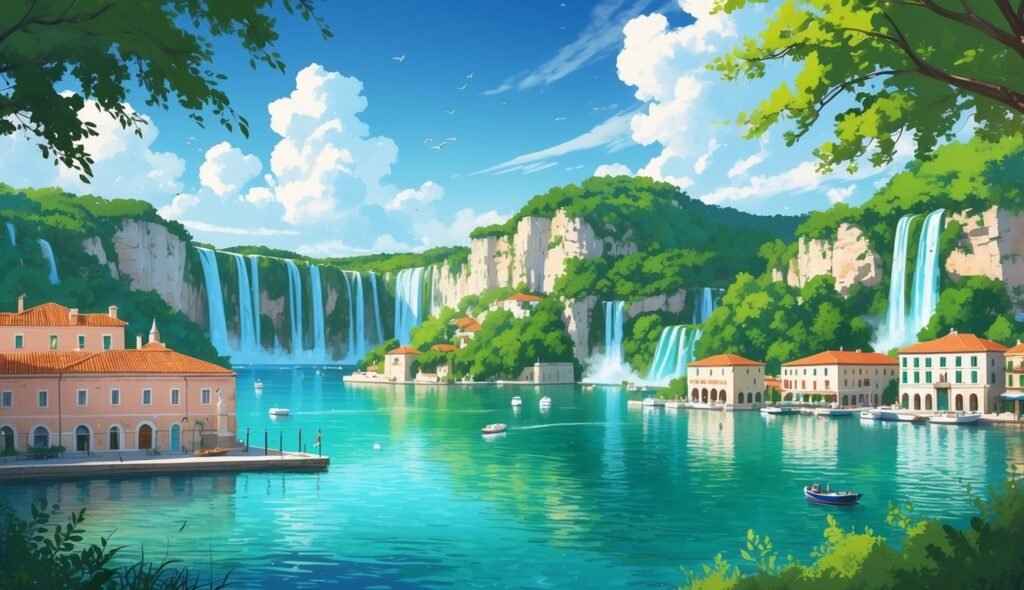
Zadar sits in an ideal spot for travelers who want to explore two of Croatia’s most famous natural landmarks: Plitvice Lakes and Krka National Parks. Both parks lie within easy driving distance, making them perfect day trips from the city. This accessibility adds a strong advantage for those who want both coastal and inland experiences.
Plitvice Lakes National Park, located about two hours north of Zadar by car, is Croatia’s oldest and largest national park. Visitors can walk wooden paths that wind between terraced lakes and waterfalls. The park’s layered pools of turquoise water are especially striking on clear days.
Krka National Park lies roughly an hour and a half south of Zadar and offers a more relaxed visit. Unlike Plitvice, some sections of Krka allow swimming in designated areas. The park is smaller but easier to navigate, with shorter walking routes and several entry points near the town of Šibenik.
Having both parks so close means travelers can choose the experience that fits their schedule. Those seeking a full-day hiking trip might prefer Plitvice, while visitors looking for a shorter and more flexible outing could enjoy Krka. Few coastal cities in Croatia offer such direct access to both parks, which only increases Zadar’s appeal as a travel base.
9. Vibrant local culture and nightlife
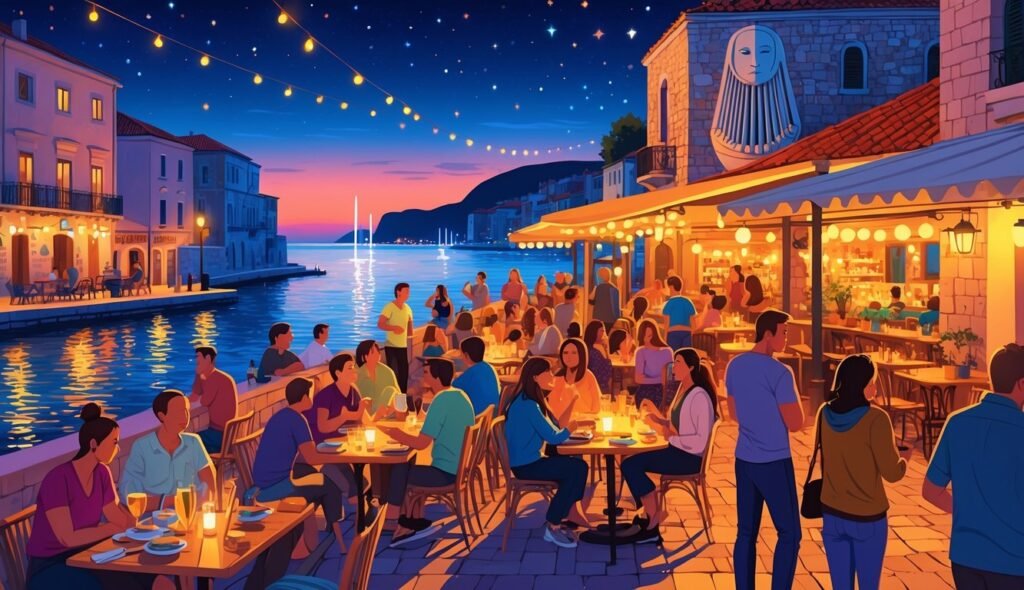
Zadar’s rhythm changes after sunset. The city that feels calm during the day takes on a livelier tone as locals and visitors gather in coastal cafes, wine bars, and open squares. The sound of live music often carries through the Old Town’s narrow streets, creating an atmosphere that’s inviting but never overwhelming.
Much of this energy comes from the local community. Residents often meet at spots along Kalelarga Street or the waterfront promenade, discussing daily life over espresso or craft beer. Markets and small events bring people together year-round, preserving the city’s sense of intimacy even as tourism grows.
Cultural life extends beyond nightlife venues. The Zadar Summer Theatre Festival and Music Evenings in St. Donatus attract audiences who appreciate tradition blended with modern performance. Contemporary art galleries and small studios highlight local talent, showing that creativity in Zadar isn’t only found in its historical architecture.
Visitors seeking nightlife beyond bars can explore late-night restaurants serving Dalmatian cuisine or open-air events near the harbor. Many enjoy watching the Sea Organ and Greeting to the Sun installations after dark, where light and sound merge with the Adriatic’s calm.
Zadar’s culture and nightlife balance authenticity with accessibility. It offers places where travelers can mix naturally with locals, listen to regional music, and enjoy a relaxed yet dynamic environment—proof that the city’s character thrives both by day and by night.
10. Crystal clear waters and quiet beaches
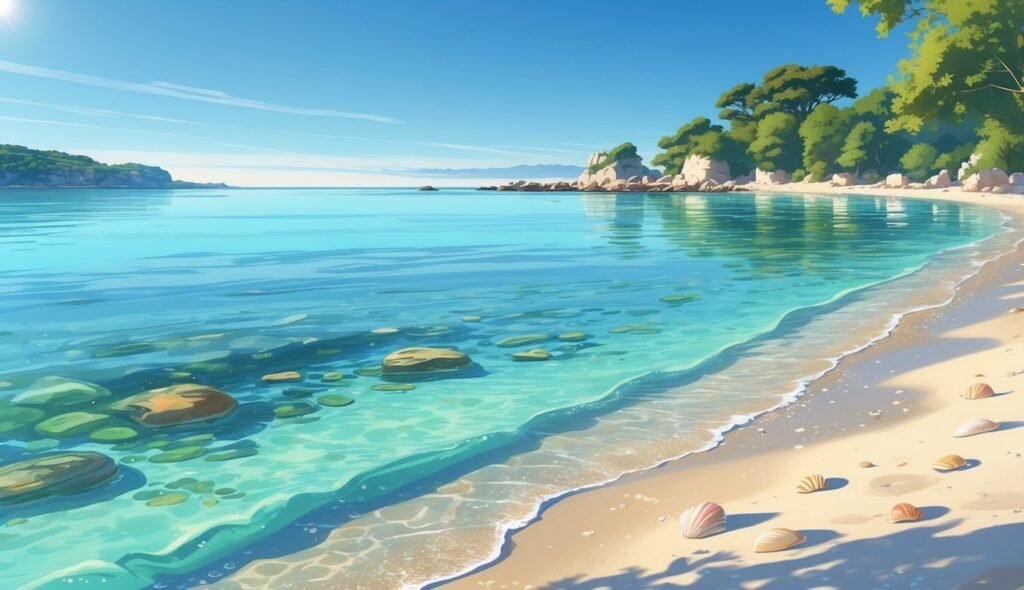
Zadar’s shoreline stretches along the Adriatic Sea, offering waters so clear that swimmers can often see the pebbles beneath their feet. The city’s beaches are less crowded than those in Split or Dubrovnik, giving visitors more space and calm for swimming or sunbathing. Many locals prefer the smaller coves, where the sea remains clean and still, perfect for an afternoon break.
Kolovare Beach, located near the old town, is one of the most accessible spots for a quick swim. It’s a mix of gravel and sand, with shaded areas ideal for families. Further north, Borik Beach draws both locals and travelers with its shallow, safe entry into the sea and nearby cafes.
Outside the city, the nearby islands of Ugljan and Dugi Otok reveal even quieter shores. These islands are easy to reach by ferry and reward visitors with hidden coves and natural beaches surrounded by pine trees. Sakarun Beach on Dugi Otok, with its pale sand and turquoise water, stands out as one of the most photographed in the region.
For those who prefer peace over crowds, Zadar’s coast provides a slower pace. The combination of warm seas, gentle waves, and easy access makes it an appealing choice for anyone seeking a simple, refreshing seaside experience without the noise of larger tourist hubs.
Getting to Zadar
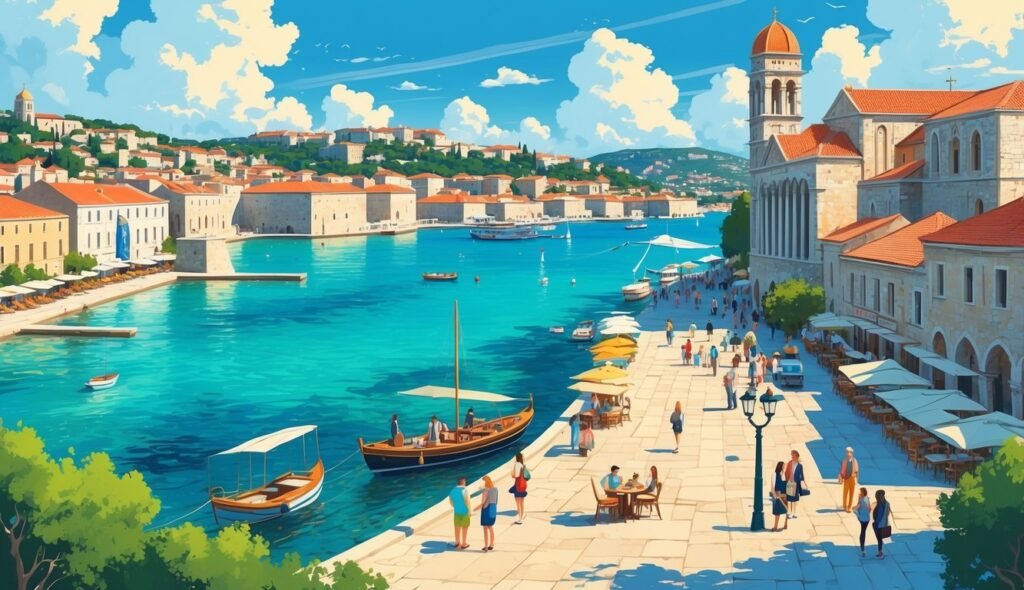
Zadar sits on Croatia’s central Adriatic coast, making it both accessible and well-connected. The city’s international airport (Zadar Airport – ZAD) is only about 12 km from the city center and serves flights from many major European cities, especially during summer. Low-cost airlines often operate here, making it an affordable entry point for travelers exploring the Dalmatian coast.
For those already in Croatia, traveling by bus is often the easiest choice. Regular routes link Zadar with Zagreb, Split, Dubrovnik, and the Istrian peninsula. Buses arrive at the main terminal near the port, allowing quick transfers to ferries or local city lines. Tickets are usually affordable, and many companies offer online booking options.
Train travel is less common but still possible. The rail connection from Zagreb takes longer than the bus but offers scenic views of rural Croatia. Some visitors prefer the slower pace, especially when traveling outside the busy tourist season.
Visitors arriving by car will find the A1 motorway provides a direct route from Zagreb to Zadar in about three hours. Parking within the old town is limited, but there are several larger car parks nearby.
Ferries also link Zadar with nearby islands and coastal towns. Jadrolinija operates daily routes to places like Dugi Otok and Ugljan, adding flexibility for those planning island day trips or extended coastal travel.
Cultural Highlights
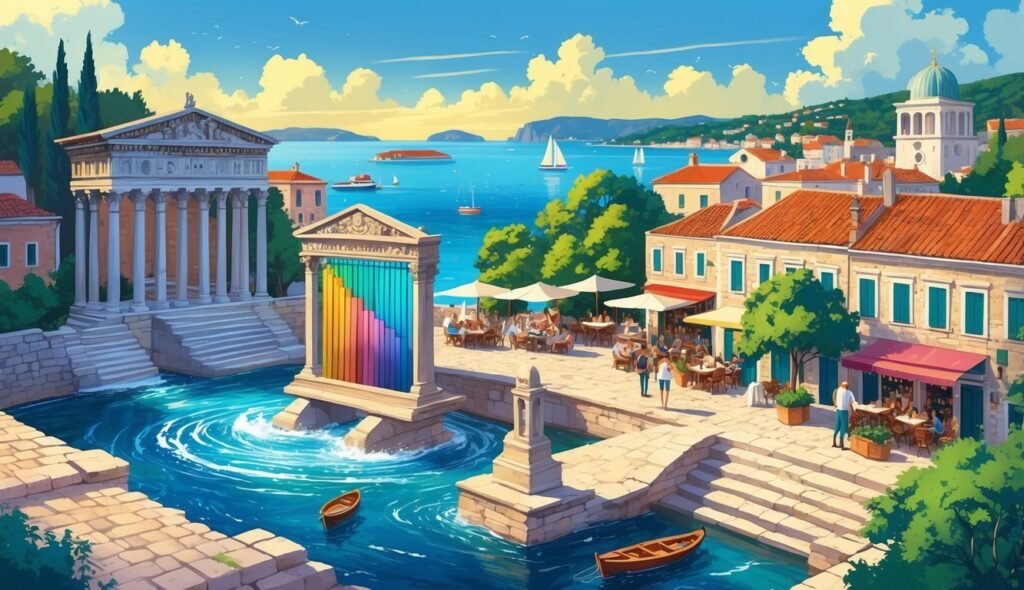
Zadar’s cultural life reflects its long and layered history. It has Roman roots, medieval architecture, and modern artistic expressions all coexisting within a small coastal area. This combination gives visitors a clear sense of how the city has evolved through time.
Walking through the Old Town, one sees Roman ruins beside Venetian walls and Austro-Hungarian touches. The Roman Forum, built in the 1st century BCE, remains central to local life. Nearby, the Church of St. Donatus, with its circular design, is one of Croatia’s most recognizable medieval landmarks.
For those who favor contemporary art, the Museum of Ancient Glass and Archaeological Museum reveal Zadar’s craftsmanship and artifacts spanning centuries. A short walk away, two modern installations—the Sea Organ and Greeting to the Sun—show how innovation ties into tradition. The organ turns waves into musical notes, while the solar display lights up the promenade after sunset.
Music and festivals are key to Zadar’s identity. Each summer, events like the Musical Evenings in St. Donatus bring classical performances into historical spaces. Small galleries and theaters also host local artists who merge old and new styles.
| Cultural Site | Type | Notable Feature |
|---|---|---|
| Church of St. Donatus | Medieval church | Circular architecture |
| Sea Organ | Modern installation | Uses sea waves to create sound |
| Roman Forum | Archaeological site | 1st-century BCE ruins |
| Museum of Ancient Glass | Museum | Ancient glassblowing exhibits |
Every corner of Zadar reflects a dialogue between the past and present, making its culture both authentic and dynamic.
Frequently Asked Questions
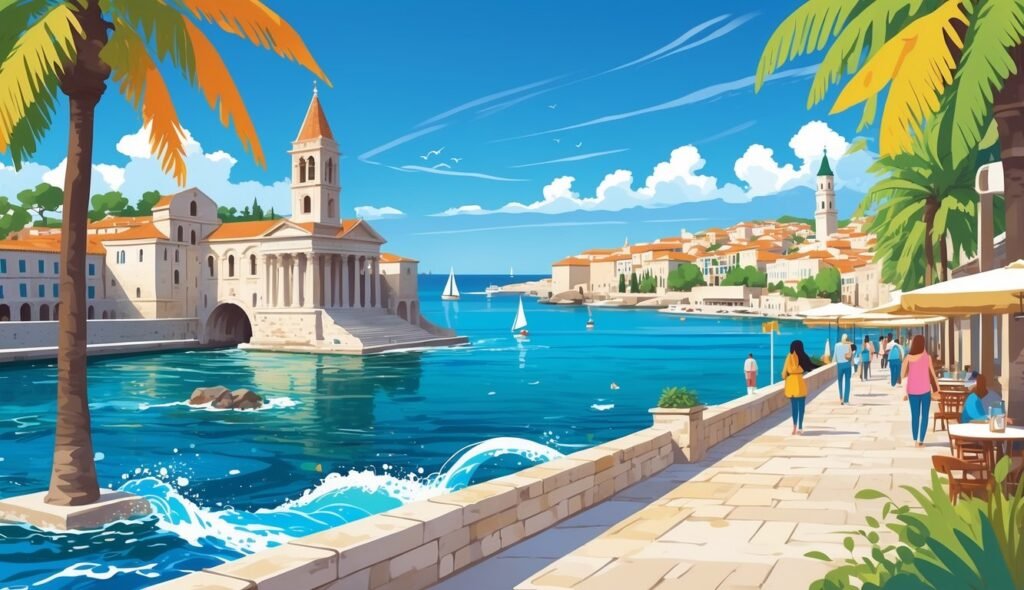
Zadar stands out for its mix of ancient culture, seaside scenery, and modern design. Visitors find its historic Old Town, art installations, and relaxed coastal charm both educational and enjoyable.
What cultural landmarks make Zadar a must-visit destination?
Zadar’s Roman Forum dates back to the 1st century BC and remains one of the most striking archaeological sites in Croatia. Nearby, St. Donatus Church offers a rare example of early medieval architecture.
The city’s Cathedral of St. Anastasia also attracts those interested in art and history. Its bell tower provides a panoramic view of the town and sea, highlighting Zadar’s long connection to both religion and trade.
How does Zadar compare to other Croatian cities in terms of beauty?
While Split and Dubrovnik draw larger crowds, Zadar preserves a quieter, more intimate coastal atmosphere. Its sunsets, often visible from the Riva promenade, rival any along the Adriatic coast.
Paved limestone streets and Venetian-style buildings give the city a clean yet historical aesthetic. The mix of preserved ruins and modern public art sets it apart from Croatia’s more commercialized resort towns.
What unique attractions does Zadar offer for tourists?
The Sea Organ, built into the promenade, produces music as waves move through underwater pipes. Next to it, the Greeting to the Sun art piece captures sunlight during the day and glows at night through solar-powered lights.
Both works reflect Zadar’s focus on blending architecture with natural elements. These attractions make the waterfront not just scenic but interactive.
Can visitors experience traditional Croatian life in Zadar’s Old Town?
Yes. The Old Town remains the social heart of Zadar, with small markets, bakeries, and family-owned taverns serving Dalmatian dishes. Locals often gather in the main square, People’s Square (Narodni trg), for coffee or casual conversation.
Travelers can join walking tours that explore historic buildings, local customs, and artisan workshops. This area reflects everyday Croatian culture more authentically than many resort zones.
What are the safety considerations for tourists traveling to Zadar?
Zadar maintains a strong reputation for safety. Street crime is minimal, and the central areas are well-patrolled. Visitors should still use standard precautions—avoiding unattended bags and being mindful of personal items in crowded places.
Beach safety is also important. Swimmers should follow local signage, especially near boat lanes. Tap water is safe to drink, and local hospitals meet European standards.
Are there any hidden costs to be aware of when visiting Zadar?
Most attractions, such as the Sea Organ and Greeting to the Sun, are free. However, entry fees apply to museums, churches, and certain guided tours.
During peak summer months, prices for accommodation and dining can rise sharply. Tourists can cut expenses by staying just outside the Old Town or dining at local konobas—traditional taverns with moderate pricing.